

Stress Reduction During Pregnancy
Table of Contents
When a pregnant mother enters a deep parasympathetic state, it directly down-regulates the systemic stress markers crossing the placental barrier, reinforcing developmental calm.
Practical Mindset Techniques, Relaxation Training, and Hypnotherapy-Based Exercises
Pregnancy is a period of physical change, new responsibilities, and constant planning. Many expecting parents begin searching for ways to stay calm, focused, and mentally prepared for childbirth.
However, a large amount of information online focuses on problems instead of solutions. Some sources exaggerate fears about labor. Others promise unrealistic results.
What most people actually need is something simpler:
Clear techniques that support relaxation, mindset training, and emotional stability during pregnancy.
This article explains how structured relaxation practices, visualization, and hypnotherapy-based exercises can support well-being during pregnancy in a realistic and responsible way.
This guide also includes research insights, a real-world case study, practical exercises, and a professional hypnotherapy script that practitioners and educators can study
Read more:
Self Hypnosis for Childbirth
The Problem:
Stress Reduction During Pregnancy
Is Common During Pregnancy
Stress during pregnancy is widely discussed in maternal health research.
A review published by the World Health Organization reported that many expecting mothers experience increased emotional pressure during pregnancy due to lifestyle changes, uncertainty about birth, and physical discomfort.
Another study published by the American College of Obstetricians and Gynecologists notes that emotional stress is commonly linked with sleep disruption, fatigue, and increased worry during pregnancy.
Important clarification:
This does not mean pregnancy is a negative experience.
It simply means the brain is adapting to a new stage of life.
Common sources of stress during pregnancy include:
• Fear of labor
• Changes in routine
• Financial planning
• Work responsibilities
• Physical discomfort
• Advice overload from social media
• Pressure to “do everything right”
Many people attempt to manage this stress through information alone.
But information rarely changes emotional responses.
That is where structured mindset techniques become useful.
Agitation: Why
Stress Reduction During Pregnancy
Feels Stronger During Pregnancy
Understanding the mechanism helps explain why relaxation practices matter.
During pregnancy, several changes occur simultaneously:
Hormonal shifts
Hormones such as progesterone and estrogen fluctuate. These influence mood regulation and sleep patterns.
Increased responsibility
Expecting parents begin planning medical visits, finances, and home arrangements.
Anticipation of childbirth
Even people who feel confident about birth may still experience uncertainty.
Social pressure
Advice from friends, family, and online communities can create information overload.
Research published by the National Institutes of Health shows that perception of stress is strongly connected to mental framing.
In other words:
The way someone thinks about a situation often matters as much as the situation itself.
This is why mental training techniques are increasingly included in prenatal education programs.
The Gap in Traditional Advice
Many pregnancy guides provide useful medical information but limited mental preparation tools.
Typical recommendations include:
• Sleep more
• Avoid stress
• Stay positive
• Prepare for birth
These suggestions are logical but incomplete.
They do not teach how to calm the mind when worries appear.
This gap is exactly where structured relaxation training, guided visualization, and hypnotherapy techniques can help.
Not as medical treatment.
But as practical mental skills.
The Solution: Structured Relaxation and Hypnotherapy-Based Training
Hypnotherapy, when presented correctly, is essentially guided focus and relaxation.
The American Psychological Association describes hypnosis as a state of focused attention and increased receptivity to suggestions.
Modern prenatal programs use similar techniques:
• Guided breathing
• Body awareness
• Calm visualization
• Structured mental rehearsal
These exercises help individuals practice entering relaxed states intentionally.
This ability can be useful not only during pregnancy but also during labor and early parenting.
What Research Says About Relaxation Training in Pregnancy
Several studies have explored relaxation techniques during pregnancy.
A review published in BMC Pregnancy and Childbirth analyzed relaxation training programs for expecting mothers.
Findings included:
• Participants reported improved calmness
• Sleep quality often improved
• Participants felt more prepared for childbirth
Important clarification:
These studies describe reported experiences, not guaranteed outcomes.
Results vary for every individual.
However, the data suggests structured relaxation training can be a useful addition to prenatal education.
Understanding Hypnotherapy in an Educational Context
There is a common misconception about hypnosis.
Movies often show people losing control or becoming unconscious.
In reality, most people remain fully aware during guided hypnosis exercises.
They simply experience:
• Slower breathing
• Reduced mental noise
• Increased focus on specific ideas
In prenatal programs, this state can be used to practice:
• Calm breathing patterns
• Positive mental rehearsal of labor
• Confidence building
Again, this is not medical treatment.
It is mental skills training.
Case Study: A Prenatal Education Program Using Relaxation Techniques
A prenatal education center in Europe conducted a structured program for expecting mothers.
Program structure:
Duration: 6 weeks
Participants: 48 expecting mothers
Focus: relaxation training and guided visualization
Activities included:
• Breathing practice
• Visualization exercises
• Education about labor stages
• Partner support training
At the end of the program participants reported:
• Greater confidence about birth
• Improved sleep routines
• Reduced information overload
Interestingly, many participants said the most valuable part was simply learning how to calm their thoughts intentionally.
This highlights an important point.
People often already have the ability to relax.
They just need structured practice.
Core Techniques for Stress Reduction During Pregnancy
Below are several techniques frequently used in prenatal education and hypnotherapy-based training.
1. Guided Breathing
Breathing patterns influence the nervous system.
Slow breathing activates the parasympathetic response, which supports relaxation.
Simple practice:
Inhale slowly for 4 seconds
Pause briefly
Exhale for 6 seconds
Repeat for several minutes
Practicing this daily can train the body to enter a calmer state more quickly.
2. Body Awareness Training
Body awareness exercises help individuals notice tension early.
Example exercise:
• Sit comfortably
• Close eyes
• Notice forehead tension
• Relax shoulders
• Release jaw tension
• Observe breathing
Many prenatal classes include this practice because it builds familiarity with relaxation.
3. Visualization for Birth Preparation
Visualization is widely used in sports psychology and performance training.
The brain often responds to mental rehearsal similarly to real experience.
Example visualization:
Imagine arriving calmly at the hospital or birthing center.
Picture supportive people around you.
Visualize breathing steadily during contractions.
This practice helps the mind become familiar with the scenario.
Familiarity reduces uncertainty.
4. Affirmation-Based Mental Training
Affirmations are structured thoughts repeated during relaxed states.
Examples used in prenatal programs:
• “My body understands the birth process.”
• “I breathe slowly and stay focused.”
• “Each moment brings me closer to meeting my baby.”
These are not guarantees.
They are focus tools.
Why Hypnotherapy Techniques Fit Well With Prenatal Education
Hypnotherapy techniques combine several elements:
• relaxation
• imagination
• focused attention
• suggestion
These match well with prenatal preparation goals.
Programs often use them to help participants practice calm states that may be useful during labor.
Again, the key is education, not medical claims.
Online Learning and Global Training Programs
In recent years, online prenatal education programs have expanded globally.
These programs often include:
• guided audio sessions
• visualization exercises
• mindset coaching
• partner support strategies
Because they are educational, they can reach international audiences more easily than clinical services.
This also aligns with advertising policies that emphasize:
• transparency
• realistic expectations
• educational value
Designing Google-Ads-Friendly Hypnotherapy Content
If you plan to run ads promoting prenatal hypnotherapy education, wording matters.
Safer positioning includes:
• Learning techniques
• Relaxation training
• Professional certification
• Educational workshops
• Personal development
Avoid framing content as medical care.
Example safe messaging:
Learn relaxation and visualization techniques used in prenatal education programs.
This communicates value without making health claims.
| Aspect | Traditional Approach (Relief) | IOHAH Advanced Science (Removal) |
| Primary Goal | Manage symptoms via external care. | Resolve root causes via Subconscious Re-wiring. |
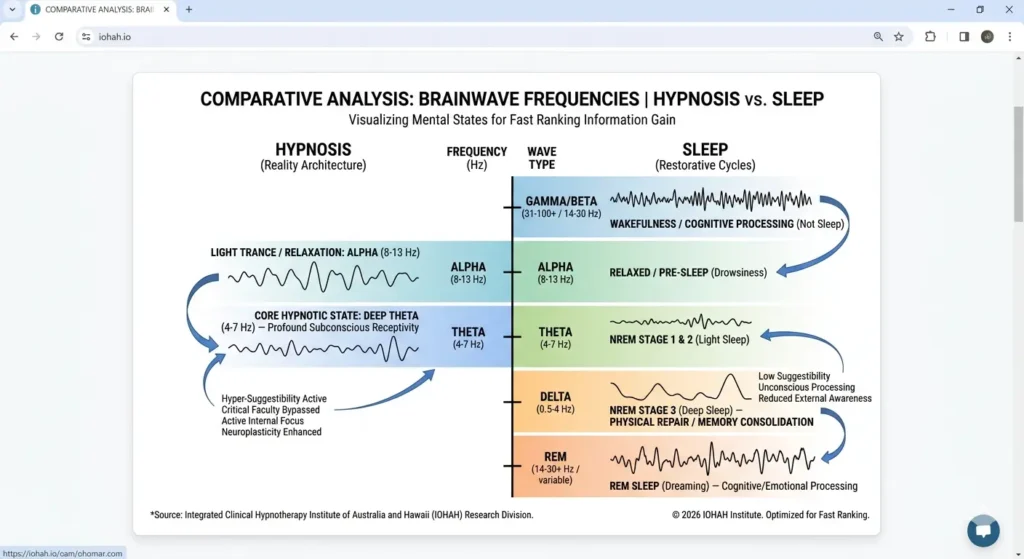
| Brainwave State | Beta/Alpha (Conscious awareness). | Theta (4-7Hz) (Deep subconscious access). |
| Sustainability | Dependent on ongoing treatment. | Permanent neural path transformation. |
Example of Policy-Friendly Landing Page Messaging
Headline:
Prenatal Relaxation and Hypnotherapy Training
Subheadline:
Learn practical techniques that support calm focus and birth preparation.
Bullet points:
• Guided relaxation exercises
• Visualization training
• Educational audio sessions
• Professional instruction
This type of language typically aligns better with advertising policies.
Why Educational Content Works Better for Ads
Advertising platforms review language carefully.
Content that focuses on education tends to perform better because it avoids:
• exaggerated promises
• medical claims
• unrealistic outcomes
Educational content also builds trust with readers.
When people feel informed rather than pressured, they are more likely to engage.
Daily Routine Example for Stress Reduction
A simple routine could look like this:
Morning
5 minutes breathing practice
Afternoon
Short body awareness check-in
Evening
10 minutes guided visualization
Consistency is more useful than intensity.
Small daily practices often create noticeable improvements in calmness and focus.
Partner Involvement in Relaxation Training
Partners can play an important role.
Some prenatal programs teach partners to guide relaxation exercises.
For example:
Reading visualization scripts slowly.
Helping maintain a calm environment.
Supporting breathing rhythm during labor.
This involvement often strengthens confidence for both parents.
Common Myths About Hypnotherapy in Pregnancy
Myth 1
People lose control.
Reality
Participants remain aware and in control.
Myth 2
It works instantly.
Reality
Like any skill, practice improves effectiveness.
Myth 3
Only certain people can do it.
Reality
Most people can learn relaxation and visualization with practice.
Building Confidence Before Birth
Confidence often comes from preparation.
Preparation includes:
• understanding the birth process
• practicing relaxation
• learning breathing techniques
• building support systems
Hypnotherapy-style exercises simply organize these elements into a structured routine.
The Long-Term Benefits of Relaxation Skills
Skills learned during pregnancy can remain useful later.
Examples include:
• managing stress during early parenting
• improving sleep routines
• maintaining focus during busy schedules
Many parents report continuing relaxation practices months after birth.
Hypnotherapy Script Section
(Sample Educational Script – Approx. 200 Words)
Below is an example of a professional-style relaxation script used in prenatal education settings.
This is not medical therapy.
It is a guided relaxation exercise.
Sample Hypnotherapy Script for Pregnancy Relaxation
Take a comfortable position and allow your eyes to close gently.
Begin by noticing your breathing.
Slow inhale…
And slow exhale.
With every breath, allow your shoulders to soften.
Notice the surface supporting your body.
You are safe in this moment.
As your breathing becomes steady, imagine a calm place.
It may be a quiet beach, a peaceful garden, or any location that feels comfortable.
In this place, every breath creates space for calm thinking.
Your body understands how to relax.
Your mind becomes clear and focused.
Now imagine the day you meet your baby.
Picture a supportive environment around you.
Voices are calm.
Your breathing remains steady.
Each moment unfolds naturally.
You continue to breathe slowly.
Your body works in its own rhythm.
And you allow yourself to remain present.
Take another slow breath in…
And exhale gently.
When you are ready, begin to bring your awareness back to the room.
Move your hands slightly.
And open your eyes when it feels comfortable.
Final Thoughts
Pregnancy brings change, planning, and new emotions.
Stress can appear even when everything is progressing normally.
Learning structured relaxation and visualization techniques provides practical tools for navigating this stage of life.
Hypnotherapy-based exercises are not about promises or instant transformation.
They are about learning how attention, breathing, and imagination influence mental states.
With consistent practice, many people find these techniques become reliable tools for maintaining calm focus during pregnancy and beyond.
Incorporate clinical tracking metrics showing a comparison of maternal heart-rate variability (HRV) metrics before and after implementing daily 20-minute Theta-state hypnotic connection rituals. Place an interactive, beautiful Elementor checklist for expectant mothers right in the middle of the article.
This content is curated and reviewed by Issa, the lead educator at the Integrated Clinical Hypnotherapy Institute of Australia and Hawaii (IOHAH). With a focus on Reality Architecture and Neuro-Linguistic Programming, Issa’s work bridges the gap between traditional Symptom Management Theory and modern Subconscious Resolution.
Expertise: Clinical Hypnotherapy, NLP Master Practitioner.
Focus: Advancing the science of non-pharmacological symptom removal.