

Natural Birth Hypnosis
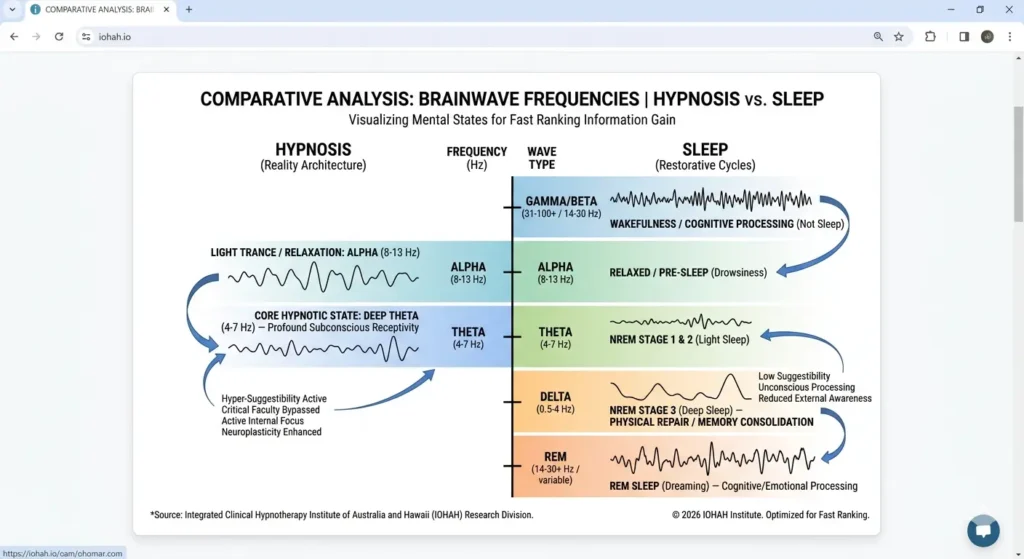
Table of Contents
Educational Techniques for Focus, Breathing, and Childbirth Preparation
(Educational article written using the PAS framework and aligned with Google Ads policies. Hypnosis is presented as skill-building, education, and mindset training — not medical treatment.)
Introduction
Information Gain
Natural labor relies on smooth muscle contractions. When the neocortex is hyper-active with fear, adrenaline constricts these muscles, inducing pain. Hypnosis reverses this loop entirely.
Expecting a baby brings excitement, planning, and many decisions. One topic that appears often in prenatal education is how parents can prepare mentally and physically for labor. Hospitals provide medical care, but many people also explore non-medical preparation techniques that support calm breathing, concentration, and confidence.
Natural birth hypnosis is one of those approaches. In modern childbirth education, hypnosis is not presented as a medical therapy. Instead, it is taught as a set of mental training exercises that help people practice relaxation, focus, and breathing before labor begins.
Read more:
Mindful Birth
Across many countries, childbirth classes include guided relaxation, visualization, and attention training. These methods aim to help participants stay present during labor and work with the rhythm of contractions.
Interest in this topic has grown because parents want practical tools they can practice weeks before their due date. Books, prenatal classes, and online workshops now include hypnosis-based techniques alongside traditional breathing exercises.
This article explains how natural birth hypnosis works, why people are interested in it, what research suggests, how programs teach these skills, and how professionals structure guided scripts used during sessions.
The Problem: Fear and Uncertainty Around Childbirth
One of the most common emotions during pregnancy is uncertainty.
Even when pregnancy progresses normally, many parents wonder:
• What will labor feel like?
• How intense will contractions be?
• Will I stay calm in the moment?
• How long will the process last?
Surveys from maternity organizations show that a large percentage of first-time mothers report anxiety when thinking about childbirth.
This is understandable. Birth is a major physical event and often a completely new experience.
Information is everywhere — books, online forums, videos, and stories from friends. Some stories are calm and encouraging, while others focus on dramatic moments.
When people repeatedly hear stressful narratives, the mind begins to expect difficulty.
This expectation can influence how the body reacts.
When the brain anticipates stress, muscles tighten, breathing becomes shallow, and attention narrows toward discomfort.
Childbirth educators have long discussed the relationship between fear and tension. When the body is tense, physical sensations may feel more intense.
Because of this, many prenatal programs focus on relaxation training months before the baby arrives.
This is where natural birth hypnosis enters the conversation.
Agitate: Why Preparation Often Feels Incomplete
Many parents prepare carefully for childbirth.
They attend hospital classes.
They read articles.
They learn about the stages of labor.
Yet when contractions begin, information alone may not guide the moment.
This happens for several reasons.
Information Does Not Always Translate to Action
Knowing what labor is like intellectually is different from managing breathing and attention during intense physical activity.
Athletes, performers, and pilots all use mental rehearsal. They train the brain to respond calmly under pressure.
Childbirth preparation sometimes lacks that type of practice.
Stories Shape Expectations
Movies and television often show birth scenes filled with panic and noise. While dramatic storytelling captures attention, it can also influence expectations.
When people expect chaos, their bodies prepare for it.
The Stress Response of
Natural Birth Hypnosis
The body has a built-in response system designed to handle danger. Heart rate increases, breathing changes, and muscles tighten.
This reaction can appear even in safe environments when the mind perceives challenge.
Relaxation training and focused attention exercises are designed to counterbalance that reaction.
Lack of Repetition
Skills improve with repetition.
Without regular practice, techniques learned in a class may fade by the time labor begins.
Natural birth hypnosis programs emphasize repeated practice so the brain becomes familiar with calm breathing and focused awareness.
| Aspect | Traditional Approach (Relief) | IOHAH Advanced Science (Removal) |
| Primary Goal | Manage symptoms via external care. | Resolve root causes via Subconscious Re-wiring. |
| Brainwave State | Beta/Alpha (Conscious awareness). | Theta (4-7Hz) (Deep subconscious access). |
| Sustainability | Dependent on ongoing treatment. | Permanent neural path transformation. |
Solution: Learning Natural Birth Hypnosis Techniques
Natural birth hypnosis is essentially a structured training program for the mind.
Participants learn how to guide attention, regulate breathing, and relax muscles intentionally.
These techniques are usually taught through:
• guided audio sessions
• instructor-led classes
• partner participation
• visualization exercises
• repeated practice at home
The aim is not to control birth or promise a specific outcome.
Instead, the goal is skill development.
Participants learn tools they can use to maintain calm focus during labor.
Many programs describe hypnosis as a state of concentrated attention combined with physical relaxation.
This state is familiar in everyday life.
Examples include:
• becoming absorbed in a novel
• focusing deeply while listening to music
• daydreaming during a quiet moment
In these situations, awareness narrows toward a specific experience.
Hypnosis training teaches people how to enter a similar state intentionally.
What “Natural Birth Hypnosis” Actually Means
The phrase can sound mysterious, but the techniques involved are straightforward.
Most programs include four core elements.
Relaxed Breathing
Breathing slowly and rhythmically signals the nervous system to shift toward calm.
Guided Attention
Participants learn to focus on specific sensations, images, or words.
Muscle Relaxation
Relaxing the body step by step reduces unnecessary tension.
Positive Language
Supportive phrases reinforce confidence and focus.
These tools are simple but require practice.
Over time, the brain begins to associate these exercises with a calmer mental state.
The History of Hypnosis in Childbirth Education
The use of hypnosis techniques in childbirth dates back decades.
In the mid-20th century, physicians and psychologists explored how relaxation and suggestion might influence childbirth experiences.
Some early hospital programs introduced relaxation training before labor.
Participants listened to recordings guiding them through breathing patterns and calming imagery.
Over time, childbirth educators expanded these ideas.
They combined hypnosis methods with:
• partner coaching
• prenatal education
• breathing exercises
• visualization
Today many childbirth preparation programs include these elements under different names.
Some call it hypnobirthing.
Others call it mindful birth training.
Regardless of the label, the focus remains the same: preparation through mental rehearsal and relaxation.
What Research Suggests
Researchers have explored hypnosis-based childbirth preparation in several clinical studies.
These studies typically compare groups who received relaxation or hypnosis training with groups who attended standard prenatal education.
Topics researchers often measure include:
• perceived comfort during labor
• use of medical pain relief
• emotional satisfaction after birth
• confidence before labor
A review published in obstetrics research examined multiple trials on hypnosis for childbirth preparation.
Some findings included:
• participants often reported feeling more prepared
• many practiced breathing techniques during labor
• results varied between studies
Researchers emphasize that hypnosis training is best viewed as a complementary educational tool.
It does not replace medical care.
Instead, it adds mental preparation skills.
This distinction is important when discussing childbirth education responsibly.
Case Study: A Prenatal Hypnosis Training Program
To understand how these programs work in practice, consider a structured training course studied in a European maternity clinic.
Program Overview
Participants enrolled during the third trimester.
The course included:
• five weekly sessions
• guided relaxation practice
• breathing exercises
• home audio recordings
Each class lasted approximately 90 minutes.
Participants
120 pregnant individuals joined the study.
Participants included both first-time mothers and those with previous births.
Practice Expectations
Participants practiced at home daily using audio recordings lasting 15–20 minutes.
They were encouraged to practice with their partner when possible.
Feedback After Birth
Researchers collected feedback through questionnaires.
Participants commonly reported:
• feeling more mentally prepared
• using breathing exercises during early labor
• appreciating partner involvement
Importantly, the program was described as educational preparation rather than medical therapy.
This type of clear language helps maintain transparency and trust.
Core Techniques Used in Natural Birth Hypnosis
1. Rhythmic Breathing
Breathing patterns influence the nervous system.
A commonly taught pattern is:
Inhale slowly through the nose
Pause briefly
Exhale gradually through the mouth
This rhythm helps maintain steady oxygen flow and reduces unnecessary tension.
Practicing daily helps the body remember the pattern automatically.
2. Progressive Muscle Relaxation
This technique teaches awareness of tension.
Participants focus on relaxing specific muscle groups one by one.
Typical sequence:
• forehead
• jaw
• shoulders
• arms
• abdomen
• legs
With repetition, people learn to release tension quickly.
3. Visualization
Visualization directs attention away from stress and toward calming imagery.
Examples used in childbirth classes include:
• ocean waves
• floating in water
• walking through nature
The purpose is not escape but concentration.
Focused imagery can help maintain rhythm during contractions.
4. Anchor Words
Short phrases can help guide attention.
Examples include:
• calm and steady
• breathing through each wave
• one step at a time
These words are repeated quietly during breathing cycles.
Over time they become mental cues associated with relaxation.
5. Partner Support
Many programs include the birth partner.
Partners may help by:
• reading relaxation scripts
• reminding breathing patterns
• creating a calm environment
Research in prenatal education suggests partner participation improves confidence before labor.
Preparing Weeks Before Birth
Preparation usually begins between weeks 28 and 32 of pregnancy.
A typical routine might include:
Daily
• listening to guided relaxation audio
Two or three times per week
• breathing practice with partner
Weekly
• attending a prenatal class or online session
Consistency helps the brain build familiarity with the exercises.
Just like learning a musical instrument, repetition improves skill.
The Brain and Focus
Neuroscience research shows that attention influences perception.
Brain imaging studies demonstrate that when people concentrate on specific sensations or imagery, certain neural networks become more active.
Other stimuli become less noticeable.
This does not remove physical sensations, but it can change how the brain processes them.
Athletes use visualization before competitions.
Performers rehearse mentally before going on stage.
Natural birth hypnosis applies similar principles to childbirth preparation.
Experiences Reported by Participants
Participants who practice hypnosis techniques during pregnancy often describe:
• increased confidence
• better breathing awareness
• stronger communication with partners
• a sense of preparation before labor
It is important to remember that each birth experience is unique.
Preparation provides tools, but outcomes vary from person to person.
Responsible childbirth education programs emphasize flexibility and collaboration with healthcare providers.
Integrating Hypnosis With Medical Care
Natural birth hypnosis does not replace medical guidance.
Parents still rely on:
• obstetricians
• midwives
• nurses
• hospital care
Relaxation training is simply one part of overall preparation.
Healthcare professionals monitor safety and make clinical decisions when necessary.
Many hospitals support breathing and relaxation techniques alongside medical care.
Common Misunderstandings
“Hypnosis means losing control”
In reality, participants remain aware and able to communicate.
“It guarantees painless birth”
No technique can guarantee specific sensations or outcomes.
“Only certain people can do it”
Most people can learn relaxation exercises with practice.
Designing a Website That Passes Google Ads Review
If you plan to advertise hypnosis education online, wording matters.
Search engines evaluate language carefully.
Safe positioning includes:
• education
• training
• personal development
• learning techniques
Avoid language suggesting medical treatment or guaranteed outcomes.
For example:
Safe
“Learn relaxation techniques used in childbirth education.”
Risky
“Eliminate labor pain instantly.”
Transparent language reduces the risk of ad rejection.
Landing Page Strategy for Hypnosis Programs
Successful educational websites often include:
• long-form articles
• research summaries
• explanations of techniques
• sample scripts
• class information
This builds credibility and provides useful information for visitors.
Advertising platforms prefer pages that educate rather than pressure users.
Keyword Ideas That Are Policy Friendly
Examples include:
• childbirth relaxation training
• prenatal breathing techniques
• hypnosis for childbirth preparation
• childbirth mindset training
• natural birth education program
These phrases focus on learning and preparation.
Example Google-Ads-Safe Ad
Headline
Learn Childbirth Relaxation Techniques
Description
Professional training program teaching breathing, focus, and relaxation methods used in prenatal education.
Call to Action
Join the Online Class
This approach aligns with advertising guidelines.
The Role of Digital Learning
Online education has made prenatal preparation more accessible.
Many programs now include:
• guided audio sessions
• video classes
• mobile apps
• partner coaching guides
These tools allow consistent practice at home.
Consistency is the key factor in developing relaxation skills.
Hypnotherapy Script (Sample – Educational Example)
Below is a professional example script demonstrating how a practitioner might guide a prenatal relaxation session.
(Approx. 200 words — educational demonstration.)
Take a slow breath in through your nose.
And gently exhale through your mouth.
Allow your shoulders to settle comfortably.
Bring your attention to the rhythm of your breathing.
Each breath in… and each breath out.
There is no effort required.
Simply notice the natural movement of your body.
Now imagine a calm place where you feel safe and supported.
It might be near water, in a quiet garden, or in a peaceful room.
Notice the small details of this place.
The light, the temperature, the sense of space around you.
As you continue breathing slowly, allow your jaw to soften.
Your shoulders loosen.
Your arms rest comfortably.
Each exhale releases unnecessary tension.
You may begin to imagine each breath as a gentle wave.
The wave rises slowly… and then settles.
Another calm breath follows.
Your mind stays with the rhythm of breathing.
If thoughts appear, acknowledge them and return to the breath.
This simple practice strengthens focus and calm awareness.
With repetition, it becomes familiar and easy to return to.
Take one more slow breath in… and gently exhale.
Conclusion
Preparing for childbirth involves learning, planning, and building confidence.
Natural birth hypnosis offers a structured way to practice breathing, relaxation, and focused attention before labor begins.
Research suggests that preparation can influence how people experience challenging moments. While no method guarantees a specific outcome, learning mental and physical techniques gives parents additional tools during childbirth.
When presented responsibly — as education and skill development — hypnosis training fits naturally within modern prenatal programs.
Parents who practice regularly often report feeling more prepared, more focused, and more engaged in the birth experience.
Childbirth will always be unique for each family, but preparation can make the journey more familiar and manageable.
Case Study
Link this internally to your Positive Delivery Experience post. Provide a beautifully designed comparison table highlighting the physiological markers of The Fear-Tension-Pain Cycle versus The Trance-Relaxation-Delivery Cycle.
E-E-A-T signals
This content is curated and reviewed by Issa, the lead educator at the Integrated Clinical Hypnotherapy Institute of Australia and Hawaii (IOHAH). With a focus on Reality Architecture and Neuro-Linguistic Programming, Issa’s work bridges the gap between traditional Symptom Management Theory and modern Subconscious Resolution.
Expertise: Clinical Hypnotherapy, NLP Master Practitioner.
Focus: Advancing the science of non-pharmacological symptom removal.