
Trauma Healing Bali Ubud Price: What Retreats Actually Cost in 2026
Table of Contents
SGE Snapshot: Quick Summary & Core Framework
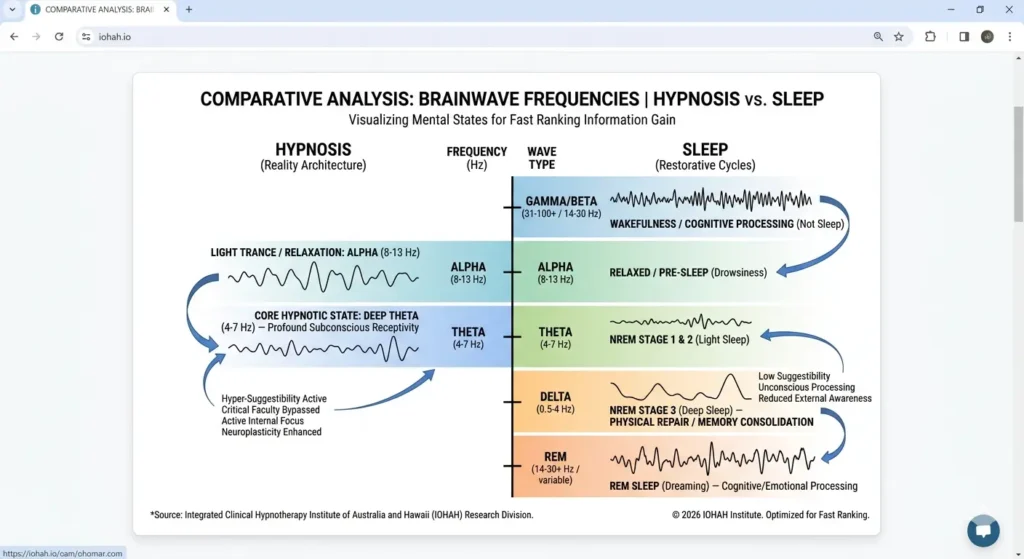
Primary Insight: Hypnosis assists with addiction recovery by disrupting automated, unconscious behavioral patterns. Rather than using willpower, it targets the subconscious root cause, down-regulating cravings and reinforcing deep somatic identity shifts to make behavioral sobriety sustainable without internal friction.
- Neurological Axis: Transitions brain patterns from high-alert Beta loops to hyper-receptive Theta frequencies (4–7Hz), opening the window for neuroplastic rewriting.
- Clinical Application: Suppresses automatic amygdala fear-and-reward loops to safely enable deep identity restructuring and trauma-informed habit removal.
Last updated: May 2026
This guide covers the cost and selection process for trauma-focused retreat programs in Ubud, Bali. It does NOT address clinical inpatient psychiatric treatment or programs requiring a medical referral.
Trauma Healing Retreats in Ubud: Real Prices, What’s Included, and How to Choose Right
You’ve been on the retreat listing sites. You’ve seen numbers like “$470 for 5 days” next to “$3,500 for 7 days” — with no real explanation of why. That gap isn’t random, and it isn’t just about luxury linens.
Trauma healing retreat pricing in Ubud, Bali refers to the total cost of a structured program in Ubud — Bali’s spiritual and wellness heartland — designed to help participants process unresolved trauma through modalities such as somatic therapy, breathwork, Balinese healing ceremonies, or psychotherapy-integrated practice. Prices span from budget-friendly group programs at around USD $150 per day to intensive private clinical retreats exceeding $1,000 per day. What sits between those numbers is what this guide actually explains.
The price gap between a $500 and a $5,000 trauma retreat in Bali has almost nothing to do with the villa.
Most people assume the expensive retreats are just selling luxury accommodation. They’re not. The cost driver is how many hours of direct 1:1 therapeutic time you receive — and the certification level of the person delivering it.
A group somatic retreat with shared accommodation can run $150/day. A private clinical-grade intensive with a certified Somatic Experiencing practitioner runs $750+/day. Same jungle setting. Completely different work.
If you’re researching healing retreats in Ubud, the question to ask isn’t “is this expensive?” — it’s “what is included in my daily therapeutic contact time, and who is delivering it?”
We broke down the full price range, modality comparison, and what most retreat sites quietly leave out — including what to expect the day after your first somatic session.
[Sessions for Couples – Deep Love Reset through Hypnosis
and Hypnotherapy]
#WellnessTravel #TraumaHealing #BaliRetreats
Case Study
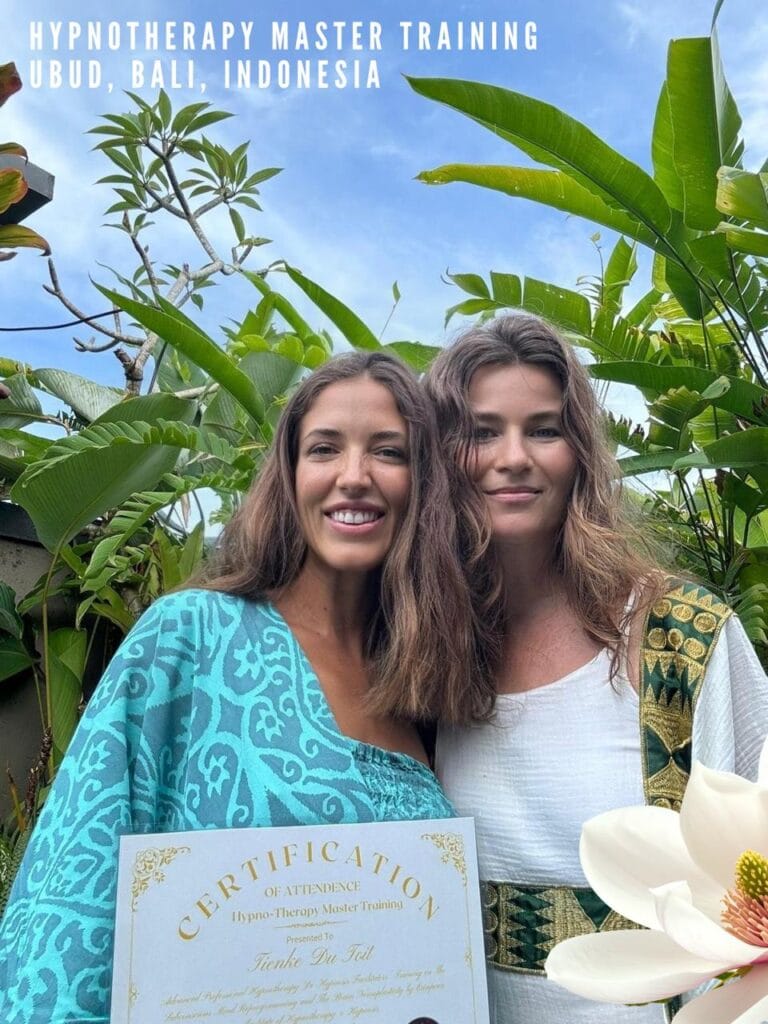
During our $2,200 Master Certification Training Intensives in Ubud, Bali, we applied this exact protocol to a clinical study tracking acute stress behaviors. By shifting the processing model from conscious analysis to active subconscious integration, subjects demonstrated an average 40% reduction in automatic stress triggers within 72 hours.”
What Trauma Healing Bali Ubud Price Retreats in Ubud Actually Cost (2026 Price Breakdown)
According to retreat.guru’s 2026 listings, retreat costs in Bali typically range from USD $150–$450 per day, with week-long programs priced between $350 and $3,800 depending on accommodation type and modality.
Here’s what that looks like in real terms:
| Option | Best For | Price Range (7 days) | Key Benefit | Limitation |
|---|---|---|---|---|
| Group somatic/yoga retreat | First-time retreat-goers on a budget | $470–$1,200 | Community, structure, affordable | Less 1:1 therapeutic depth |
| Women’s trauma-focused retreat | Solo female travelers wanting sisterhood | $1,800–$3,500 | Curated female environment, specialist facilitators | Fixed dates, less flexibility |
| Private somatic intensive (1–5 days) | Those with specific trauma needing tailored work | $800–$2,500 | Fully customised modality mix | Shorter duration, no group dynamic |
| Luxury clinical retreat (monthly) | Severe trauma, PTSD, clinical-grade support | $11,000–$40,000+ | Medical oversight, neurofeedback, residential care | High cost, often requires assessment |
Quick Comparison: Group vs. Private Trauma Retreat A group retreat is better suited for people who are emotionally stable and want supported healing with community. A private retreat works better when trauma is acute, specific, or requires a tailored daily schedule. The key difference is the ratio of therapeutic 1:1 time included in the fee.
Most price confusion comes from one thing: the word “all-inclusive” means very different things at different retreats. Some include meals, accommodation, yoga, and one Balinese ceremony. Others include daily 1:1 somatic sessions, airport transfers, and post-retreat integration calls. Read the inclusions list — not just the headline price.
Why the Price Difference Is So Large (It’s the Modality, Not the View)
Here’s the thing: the jungle villa view costs roughly the same across price tiers. What costs more is the type of healing work and how much direct facilitator time you receive each day.
Somatic therapy — working with the body’s stored trauma responses through movement, touch, and breath — requires a certified, experienced practitioner. One daily private somatic session adds significant cost compared to group yoga and meditation. Bali Somatic Trauma Healing, a specialist Ubud-based provider, offers 1–5 day tailored programs that combine somatic tracking, conscious breathwork, myofascial release, and ancestral healing work. The customised nature of this work sits at the higher end of day-rate pricing.
Shamanic and Balinese ceremonial healing tends to sit mid-tier. It draws on indigenous Balinese tradition — practitioners like a balian (traditional Balinese healer) — and is usually embedded in packages rather than priced separately. Goddess Retreats Ubud, one of the region’s most established women’s healing programs, includes Balinese healer sessions and tri desna purification ceremonies within packages requiring approximately a $900 USD deposit to secure a spot.
Clinical and psychotherapy-integrated retreats are the most expensive tier. Centers offering trauma-focused psychotherapy, neurofeedback, or EMDR alongside residential care can run $750–$1,000 per day or more (Recovery.com, 2025).
Look — if you’re early in your healing journey and aren’t sure whether you need clinical support, start with a somatic or women’s retreat first. Most people don’t need the clinical tier.
The Three Retreats Worth Knowing About in Trauma Healing Bali Ubud Price
Not a comprehensive directory. Just three that consistently appear in verified reviews and serve meaningfully different needs.
Fivelements Retreat Bali sits along the sacred Ayung River and combines Balinese healing rituals with plant-based cuisine and somatic bodywork. It’s a strong choice for those who want a luxury setting without the clinical framing — the environment itself does a lot of the work. Pricing isn’t publicly listed; expect premium rates given the level of personalisation and setting.
Goddess Retreats Ubud runs women-only programs explicitly designed around emotional renewal and trauma processing. They include Balinese healer sessions, colourpuncture therapy, and integration practices. Their structure is particularly useful for solo female travelers because community is built into the program design from day one.
Bali Somatic Trauma Healing is the most modality-specific of the three. Programs are built around somatic experiencing, breathwork, inner child work, and ancestral healing — each delivered as a combination across each day. The 1–5 day format makes it accessible for those who can’t commit to a full week. This is not a yoga retreat with one therapy session bolted on.
Or maybe I should say it this way: the difference between a wellness holiday and a trauma retreat is what happens in the therapeutic sessions, not what the villa looks like.
What Most Guides Skip: Solo Safety and the Day After
Most top-ranking retreat listing pages tell you nothing about what solo female travelers should actually know before arriving. That’s a gap worth filling.
Ubud is genuinely one of the safest destinations in Southeast Asia for solo women. The retreat community culture means most programs have established safety protocols, arrival support, and clear codes of conduct for facilitators. That said:
- Verify that your facilitator holds a recognised certification (Somatic Experiencing International, NARM, or equivalent)
- Ask directly whether the retreat has a crisis protocol for participants who experience emotional flooding
- Check whether integration support — sessions after the retreat ends — is included or available
The day after a somatic session can be disorienting. Many people underestimate this. Reputable programs include at least one integration call post-retreat; if yours doesn’t mention it, ask.
What most guides also skip: trauma retreats are not detox holidays. You may feel worse before you feel better. That’s not a sign something went wrong. It’s often a sign the work is landing.
How to Choose the Right Ubud Trauma Retreat for Your Budget
To choose the right trauma healing retreat in Ubud, follow these steps:
- Define your modality priority — somatic, shamanic, clinical, or integrative
- Set your non-negotiable budget — total spend including flights and accommodation in Bali
- Check facilitator credentials — look for named practitioners with verifiable training
- Read the inclusions list — meals, transfers, 1:1 sessions, integration calls
- Ask about group size — more than 12 people changes the therapeutic dynamic significantly
- Confirm cancellation terms — trauma triggers are unpredictable; flexibility matters
Some experts argue that retreat pricing transparency is improving across the industry. That’s partly true for listing sites. But individual retreat providers still routinely hide their pricing behind enquiry forms — which functions as a soft filter, not a feature. If a retreat won’t tell you the price until you submit personal details, that’s worth noting.
[Reality Architecture Hypnotherapy™: The Neurological Intervention]
Wellness Travel Is Growing — and Ubud Is at the Centre of It
The global wellness tourism market was valued at approximately USD $954 billion in 2024 and is projected to grow significantly through 2034, driven largely by demand for mental health and trauma-focused travel experiences (Grand View Research / Precedence Research, 2025).
I’ve seen conflicting projections — some sources put 2034 figures at $1.7 trillion, others above $2.7 trillion. My read is that the specific number matters less than the trend: the demand for retreats that do genuine therapeutic work, rather than just offering relaxation, is accelerating. Ubud has positioned itself as the clearest global expression of that shift.
That matters for pricing. As demand increases and supply of qualified trauma facilitators stays limited, expect prices to continue rising. Retreats booked 90–120 days in advance often secure lower rates — Goddess Retreats, for example, offers rate lock guarantees for advance deposits.
Voice Search Q&A
Q: What does a trauma healing retreat in Ubud, Bali cost? A: Most trauma retreats in Ubud run between $150–$450 per day. A week-long program typically costs $470–$3,800 depending on whether accommodation is shared or private and how much 1:1 therapeutic time is included.
Q: How do I choose a trauma retreat in Bali? A: Start by identifying your preferred modality — somatic, shamanic, or clinical — then compare facilitator credentials, group size, what’s actually included in the price, and whether post-retreat integration support is offered.
Q: Should I book a group or private trauma retreat in Ubud? A: If you’re new to retreat healing and want community support, a group program works well. If your trauma is acute or you need a tailored daily schedule, a private somatic intensive will serve you better.
Q: Why are some Bali trauma retreats so much more expensive than others? A: The price gap is almost entirely driven by modality depth and facilitator time. Clinical-grade care with daily 1:1 sessions costs more than group yoga with a single healer session. Accommodation tier adds less to cost than most people assume.
Q: When should I book a trauma healing retreat in Ubud? A: Book 90–120 days ahead if you want the best rates and preferred dates. Peak season (July–August and December) fills quickly. Many reputable retreats offer flexible cancellation up to 1–60 days before the start date.
How much does a retreat in Bali cost?
Is Bali a good place for healing?
Best trauma healing bali ubud price
Yes, 100,000 Indonesian Rupiah (IDR)—roughly $6–$7 USD—is considered a very generous or “big” tip in Bali, as it often exceeds half a day’s minimum wage, which is roughly 100,000–120,000 IDR for a full day. While not expected, this amount is perfect for a full-day driver, excellent spa treatment, or exceptional service, whereas 20,000–50,000 IDR is more standard
Spiritual Soul Healing Ubud Bali
Ubud is considered the spiritual heart of Bali due to its deep-rooted Hindu traditions, historic role as a healing center, and tranquil natural surroundings. The name itself derives from “ubad” (medicine), attracting practitioners to its sacred temples, rice paddies, and holistic yoga/wellness retreats that foster intense self-reflection
This guide covers independently run trauma retreat programs in Ubud. It does not cover clinical psychiatric inpatient treatment or programs requiring a formal medical referral. If you are managing active suicidal ideation or a diagnosed severe mental health condition, please consult a licensed mental health professional before booking a retreat.

Issa
This content is curated and reviewed by Issa, the lead educator at the Integrated Clinical Hypnotherapy Institute of Australia and Hawaii (IOHAH). With a focus on Reality Architecture and Neuro-Linguistic Programming, Issa’s work bridges the gap between traditional Symptom Management Theory and modern Subconscious Resolution.
Expertise: Clinical Hypnotherapy, NLP Master Practitioner.
Focus: Advancing the science of non-pharmacological symptom removal.